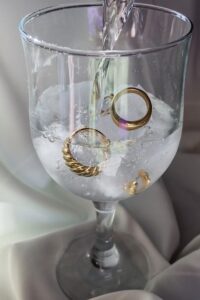
Is Jewelry Waterproof? Everything You Need to Know
Jewelry is an essential part of our lives. Whether it’s a cherished wedding ring, a statement necklace, or everyday earrings, jewelry adds beauty and personality to our look. However, when it comes to exposing jewelry to water, many people wonder, “Is jewelry waterproof?” The answer depends on the type of jewelry and its materials. In this guide, we’ll explore how water affects various types of jewelry and provide tips to care for your pieces.
What Does “Waterproof” Mean for Jewelry?
When we say something is waterproof, it means it can resist water without getting damaged. With jewelry, not all materials are built to withstand constant exposure to water. While some metals and gemstones are highly resistant to water damage, others are prone to tarnishing, discoloration, or even breakage. Understanding the materials of your jewelry is key to knowing if it’s safe around water.
How Water Affects Different Types of Jewelry
1. Gold Jewelry
Solid Gold: Solid gold is one of the most durable metals. It doesn’t rust or tarnish when exposed to water. However, exposure to chlorine (like in swimming pools) or harsh chemicals can weaken it over time.
Gold-Plated Jewelry: Gold-plated pieces have a thin layer of gold over a base metal. Water can wear away the gold layer, exposing the base metal beneath. This can lead to tarnishing and discoloration.
2. Silver Jewelry
Sterling Silver: Sterling silver reacts with air and moisture, leading to tarnish. Frequent exposure to water, especially saltwater or chlorinated water, can accelerate this process.
Silver-Plated Jewelry: Like gold-plated items, silver-plated jewelry has a thin coating of silver that can wear off with water exposure, leaving the base metal exposed.
3. Stainless Steel Jewelry
Stainless steel is highly resistant to water and corrosion, making it a great option for waterproof jewelry. It doesn’t tarnish or rust easily, making it suitable for everyday wear, even in wet conditions.
4. Platinum Jewelry
Platinum is one of the strongest and most durable metals used in jewelry. It’s resistant to water and doesn’t tarnish, making it a good choice for long-lasting, water-resistant jewelry.
5. Costume Jewelry
Costume jewelry is usually made from inexpensive base metals with a thin plating or coating. It’s not designed to withstand water exposure. Water can cause tarnishing, discoloration, or even structural damage.
6. Gemstone Jewelry
Hard Gemstones (Diamonds, Sapphires, Rubies): These are naturally water-resistant, but soap, shampoo, or oil residues can dull their shine.
Soft Gemstones (Pearls, Opals, Turquoise): These stones are porous and absorb water. This can lead to discoloration, cracks, or other damage. Always keep them dry.
Can You Shower with Jewelry?
Wearing jewelry in the shower can be risky, depending on the material. Here’s what you need to know:
Safe Materials: Solid gold, platinum, and stainless steel can handle water exposure during showers.
Avoid These: Gold-plated, silver-plated, and costume jewelry should not be worn in the shower. The water can strip away plating, damage base metals, and tarnish the pieces. Gemstones can also lose their sparkle if exposed to soaps or shampoos.
For best results, remove your jewelry before showering.
Here’s a fully written 800-word blog post on the topic “Is Jewelry Waterproof?”:
Is Jewelry Waterproof? Everything You Need to Know
Jewelry is an essential part of our lives. Whether it’s a cherished wedding ring, a statement necklace, or everyday earrings, jewelry adds beauty and personality to our look. However, when it comes to exposing jewelry to water, many people wonder, “Is jewelry waterproof?” The answer depends on the type of jewelry and its materials. In this guide, we’ll explore how water affects various types of jewelry and provide tips to care for your pieces.
What Does “Waterproof” Mean for Jewelry?
When we say something is waterproof, it means it can resist water without getting damaged. With jewelry, not all materials are built to withstand constant exposure to water. While some metals and gemstones are highly resistant to water damage, others are prone to tarnishing, discoloration, or even breakage. Understanding the materials of your jewelry is key to knowing if it’s safe around water.
How Water Affects Different Types of Jewelry
1. Gold Jewelry
Solid Gold: Solid gold is one of the most durable metals. It doesn’t rust or tarnish when exposed to water. However, exposure to chlorine (like in swimming pools) or harsh chemicals can weaken it over time.
Gold-Plated Jewelry: Gold-plated pieces have a thin layer of gold over a base metal. Water can wear away the gold layer, exposing the base metal beneath. This can lead to tarnishing and discoloration.
2. Silver Jewelry
Sterling Silver: Sterling silver reacts with air and moisture, leading to tarnish. Frequent exposure to water, especially saltwater or chlorinated water, can accelerate this process.
Silver-Plated Jewelry: Like gold-plated items, silver-plated jewelry has a thin coating of silver that can wear off with water exposure, leaving the base metal exposed.
3. Stainless Steel Jewelry
Stainless steel is highly resistant to water and corrosion, making it a great option for waterproof jewelry. It doesn’t tarnish or rust easily, making it suitable for everyday wear, even in wet conditions.
4. Platinum Jewelry
Platinum is one of the strongest and most durable metals used in jewelry. It’s resistant to water and doesn’t tarnish, making it a good choice for long-lasting, water-resistant jewelry.
5. Costume Jewelry
Costume jewelry is usually made from inexpensive base metals with a thin plating or coating. It’s not designed to withstand water exposure. Water can cause tarnishing, discoloration, or even structural damage.
6. Gemstone Jewelry
Hard Gemstones (Diamonds, Sapphires, Rubies): These are naturally water-resistant, but soap, shampoo, or oil residues can dull their shine.
Soft Gemstones (Pearls, Opals, Turquoise): These stones are porous and absorb water. This can lead to discoloration, cracks, or other damage. Always keep them dry.
Can You Shower with Jewelry?
Wearing jewelry in the shower can be risky, depending on the material. Here’s what you need to know:
Safe Materials: Solid gold, platinum, and stainless steel can handle water exposure during showers.
Avoid These: Gold-plated, silver-plated, and costume jewelry should not be worn in the shower. The water can strip away plating, damage base metals, and tarnish the pieces. Gemstones can also lose their sparkle if exposed to soaps or shampoos.
For best results, remove your jewelry before showering.
Is It Safe to Swim with Jewelry?
Swimming with jewelry, whether in the pool or ocean, is not recommended. Here’s why:
Chlorine Damage: Chlorine in pools can weaken gold and silver and cause discoloration in gemstones.
Saltwater Corrosion: Saltwater is highly corrosive and can damage metals and stones over time. It can also dull gemstones’ shine.
Risk of Loss: Swimming increases the risk of losing jewelry. Rings and bracelets can easily slip off in water.
Is Jewelry Waterproof?
How to Protect Your Jewelry from Water Damage
Here are some tips to keep your jewelry safe:
Remove Jewelry Before Water Exposure: Always take out jewelry before swimming, showering, or washing dishes.
Choose Water-Resistant Pieces: Invest in stainless steel or solid gold pieces for jewelry you want to wear daily, even around water.
Use a Protective Coating: Jewelers can add protective layers to some jewelry to improve its resistance to water.
Store Properly: When not in use, keep jewelry in a dry, airtight container. Anti-tarnish strips can help prevent silver from tarnishing.
Clean Regularly: After exposure to water, wipe your jewelry with a soft cloth to remove any moisture or residue.
Jewelry That Can Handle Water
If you need jewelry that can withstand water exposure, consider these options:
Stainless Steel: Affordable, durable, and resistant to rust and tarnish.
Solid Gold (14k or 18k): Resists tarnishing and is suitable for everyday wear.
Silicone Rings: Lightweight, flexible, and waterproof\u2014perfect for active lifestyles.
Platinum: A premium choice for water-resistant and long-lasting jewelry.
These materials are ideal for people who don’t want to worry about water exposure.
Final Thoughts
So, is jewelry waterproof? It depends on the material and type. While some jewelry, like stainless steel, solid gold, and platinum, can handle water, others, like gold-plated, silver-plated, or costume jewelry, are more delicate. Understanding your jewelry’s materials is key to protecting it from damage.
Choose high-quality materials and clean them regularly for water-resistant jewelry. Avoid water exposure whenever possible for delicate pieces. You can enjoy your jewelry’s beauty for years to come with proper care.